
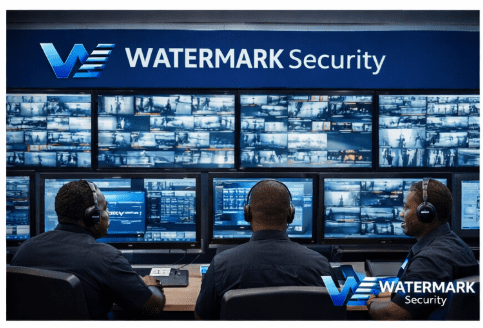
Across Nigeria and West Africa, many organizations invest heavily in security infrastructure—CCTV systems, access control, command centres, and surveillance technology—yet still experience operational failures.
The problem is rarely the equipment.
Security projects often fail because they are poorly planned, improperly managed, or disconnected from real operational needs. Without professional security advisory and structured project management, even well-funded projects become inefficient, unsustainable, or abandoned.
This article explains why security advisory and project management are critical, the common mistakes organizations make, and how expert oversight protects investments and improves security outcomes.
1. Security Is an Operational System, Not a Product
Security is often treated as a procurement exercise:
- Buy cameras
- Install systems
- Hand over and move on
In reality, security is an operational ecosystem involving:
- People
- Processes
- Technology
- Governance
- Continuous improvement
Without advisory input, projects focus on hardware while ignoring workflows, staffing, training, escalation protocols, and performance measurement.
Professional advisory ensures that technology supports operations—not the other way around.
2. Poorly Managed Security Projects Create Long-Term Risk
When security projects lack proper management, common outcomes include:
- Poor system design
- Inadequate coverage and blind spots
- Underutilized technology
- Confused roles and responsibilities
- Cost overruns and delays
- Vendor-driven decisions instead of operational priorities
These failures not only waste money but also create a false sense of security, which is more dangerous than having no system at all.
3. Security Advisory Aligns Projects With Real Threats
Every organization faces different risks.
A corporate office, estate, government facility, smart city, or campus requires context-aware security planning. Advisory services help organizations:
- Identify real threats and vulnerabilities
- Conduct risk assessments and security audits
- Define operational objectives
- Design systems based on threat intelligence
- Align security strategy with business or public safety goals
This prevents overengineering, underengineering, and misaligned investments.
4. Project Management Ensures Accountability and Control
Professional security project management introduces:
- Clear scope definition
- Structured timelines and milestones
- Stakeholder coordination
- Vendor oversight
- Quality assurance
- Documentation and reporting
This structure ensures projects are delivered:
- On time
- Within budget
- According to operational requirements
- In compliance with standards and regulations
Without it, projects drift, costs escalate, and responsibility becomes unclear.
5. Independent Advisory Protects Client Interests
Vendors and integrators are essential—but their priorities may not always align with the client’s long-term operational needs.
An independent security advisor:
- Represents the client’s interests
- Evaluates vendor proposals objectively
- Ensures solutions are fit for purpose
- Prevents unnecessary upgrades or vendor lock-in
- Bridges the gap between technical teams and management
This independent oversight is critical for large or complex security deployments.
6. Advisory Is Essential for Smart Cities and PSOCs
Smart city projects and Physical Security Operations Centres (PSOCs) are highly complex environments involving:
- Multiple systems
- Multiple agencies
- Real-time decision-making
- Public safety responsibilities
Without strong advisory and project management, these projects quickly become fragmented and ineffective.
Expert advisory ensures:
- Integration across systems
- Clear governance structures
- Operational readiness
- Sustainability beyond commissioning
Conclusion
Security projects do not fail because organizations lack technology—they fail because they lack strategy, structure, and professional oversight.
Security advisory and project management protect investments, reduce risk, and ensure that security systems deliver real operational value.
Organizations that engage professional advisors gain clarity, accountability, and long-term effectiveness in their security operations.
If your organization is planning, upgrading, or struggling with a security project, expert advisory is not an optional extra—it is a necessity.
Watermark Security Consulting provides independent security advisory and structured project management to ensure your security investments work as intended.
Contact us today to build security that delivers real results.