
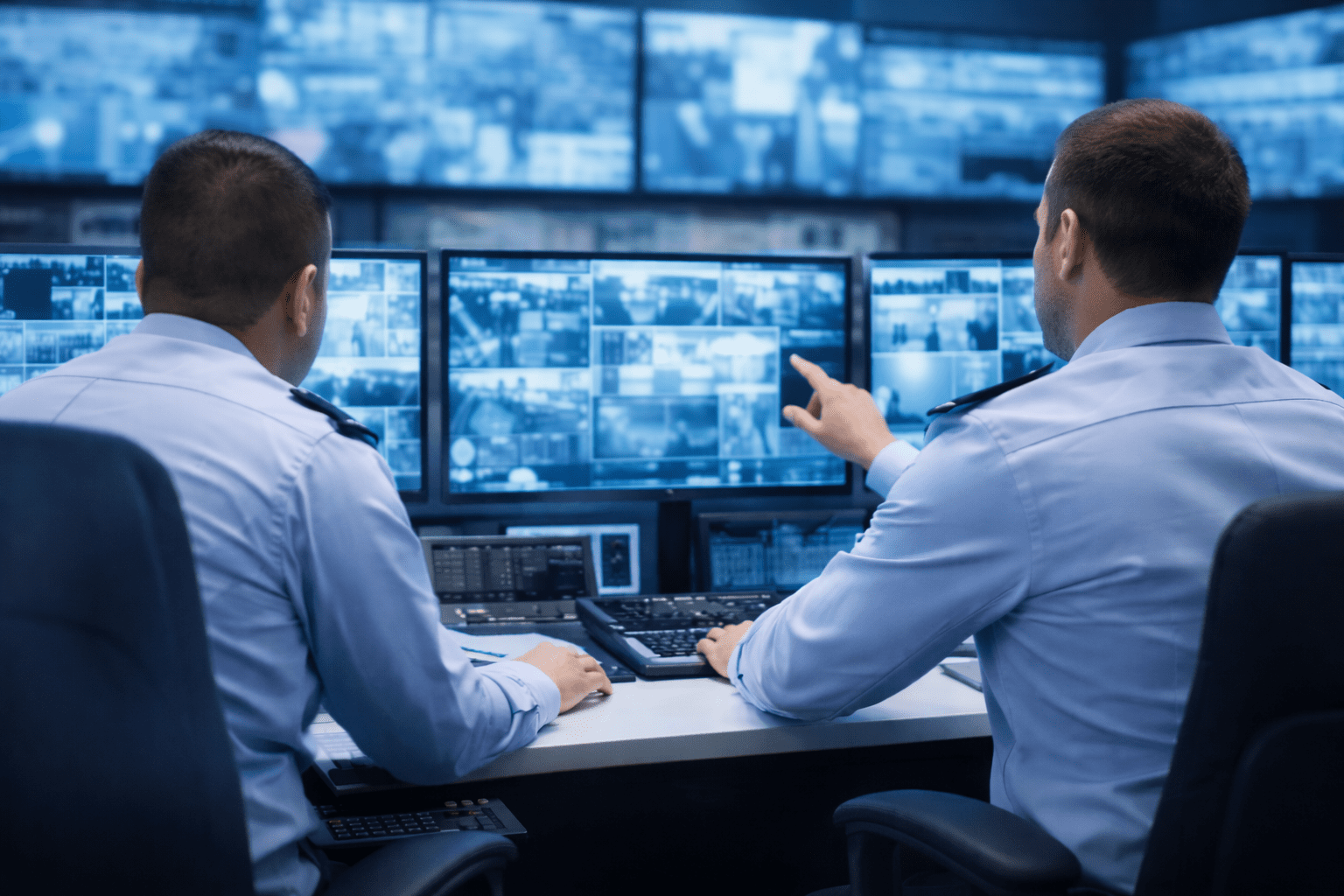
Many organizations invest heavily in CCTV cameras, control rooms, and surveillance technology—yet still experience security failures. The missing link is often not the equipment, but the people operating it.
A CCTV system is only as effective as the training, discipline, and decision-making ability of the operators behind the screens. Without structured CCTV control room training, even the most advanced surveillance infrastructure becomes reactive, inefficient, and vulnerable.
In this article, we explain why CCTV control room training is critical, what happens when it is ignored, and how professional training transforms security operations from passive monitoring to proactive risk control.
1. Technology Alone Does Not Prevent Security Incidents
CCTV cameras record events—they do not interpret them.
Untrained or poorly trained operators often:
- Miss early warning signs
- Fail to follow escalation protocols
- React late to incidents
- Mishandle evidence
- Create compliance and legal risks
Effective security depends on human judgment, situational awareness, and disciplined response—not just video feeds.
Training converts surveillance from observation into intelligence.
2. CCTV Control Rooms Are Decision Centers, Not Viewing Rooms
A professional CCTV control room functions as a security decision hub. Operators must be trained to:
- Identify suspicious behavior patterns
- Prioritize multiple incidents simultaneously
- Follow structured workflows
- Communicate accurately with response teams
- Document events correctly for investigations and legal use
Without training, control rooms become passive monitoring spaces instead of operational command centers.
3. Poor Training Leads to Operational and Legal Risks
Improperly trained operators expose organizations to serious risks, including:
- Failure to detect threats early
- Incorrect incident escalation
- Breaches of privacy and data protection laws
- Poor chain of custody for video evidence
- Inconsistent reporting and documentation
In regulated environments—corporate facilities, government projects, estates, and smart cities—these failures can result in legal liability, reputational damage, and financial loss.
4. Structured Training Creates Consistency and Accountability
Professional CCTV training introduces:
- Standard Operating Procedures (SOPs)
- Clear roles and responsibilities
- Incident response frameworks
- Reporting and escalation standards
- Performance measurement and audits
This structure ensures consistent decision-making, regardless of who is on duty.
At Watermark Security Consulting, training is designed to move teams from improvisation to disciplined execution.
5. Certified Operators Improve Security Outcomes
Certified CCTV operators demonstrate:
- Higher situational awareness
- Faster and more accurate response times
- Better collaboration with security teams
- Improved evidence handling
- Stronger ethical and professional conduct
Certification validates competence and builds confidence—for both operators and the organizations that rely on them.
6. Training Is Essential for Smart Cities and Modern Security Projects
Smart cities, command centres, and Physical Security Operations Centres (PSOCs) rely on:
- Integrated systems
- Real-time intelligence
- Coordinated response
Without trained operators and supervisors, these complex environments quickly become chaotic and ineffective.
Training ensures that technology investments deliver measurable security value, not just impressive installations.
Conclusion
CCTV systems do not fail—security operations fail when people are not properly trained.
Effective CCTV control room training transforms security from reactive monitoring to proactive risk management. It reduces incidents, improves accountability, strengthens compliance, and protects lives and assets.
Organizations that prioritize structured training gain clarity, control, and confidence in their security operations.
If your organization operates a CCTV control room—or plans to—professional training is not optional.
Watermark Security Consulting provides structured CCTV control room training and certification designed for real operational environments.
Contact us today to build security that truly works.